24/7 Emergency Water Damage Restoration in Austin
Water damage moves fast. A burst pipe can release hundreds of gallons in an hour, and within a day moisture wicks up drywall, swells cabinets, and soaks the padding under your floors. The EPA warns that mold can start growing on materials left wet for more than 24 to 48 hours — so the clock starts the moment you find the water.
That is why CDG Restoration & Construction answers its emergency line day and night. When you call (737) 309-5075, you reach a crew member — not an answering service — who helps you shut off the water while a truck loaded with extraction and drying equipment heads to your address.
We are also different from most water damage companies in one important way: we do not stop at the dry-out. CDG is a restoration and construction company in one, so the same team that extracts the water and dries your home also rebuilds the drywall, flooring, trim, cabinets, and paint. No second contractor, no scope disputes, no weeks-long gap between drying and rebuild.
We provide water damage restoration throughout the Austin metro, including Round Rock, Georgetown, Buda, Kyle, San Marcos, Dripping Springs, Lakeway, Bee Cave, and the surrounding communities.
Water Damage Cleanup Services We Handle
From frozen pipes to flash floods, water finds many ways into Central Texas homes. CDG handles every type of water loss — residential and commercial — from emergency water removal through the finished rebuild.
Burst & Frozen Pipe Damage
Central Texas freezes are rare but severe — Winter Storm Uri alone produced tens of thousands of burst-pipe claims across Texas. Supply lines routed through uninsulated attics and exterior walls are the most vulnerable. When a pipe lets go, we extract the water, dry the structure, and repair the damage around the clock.
Water Heater & Appliance Leaks
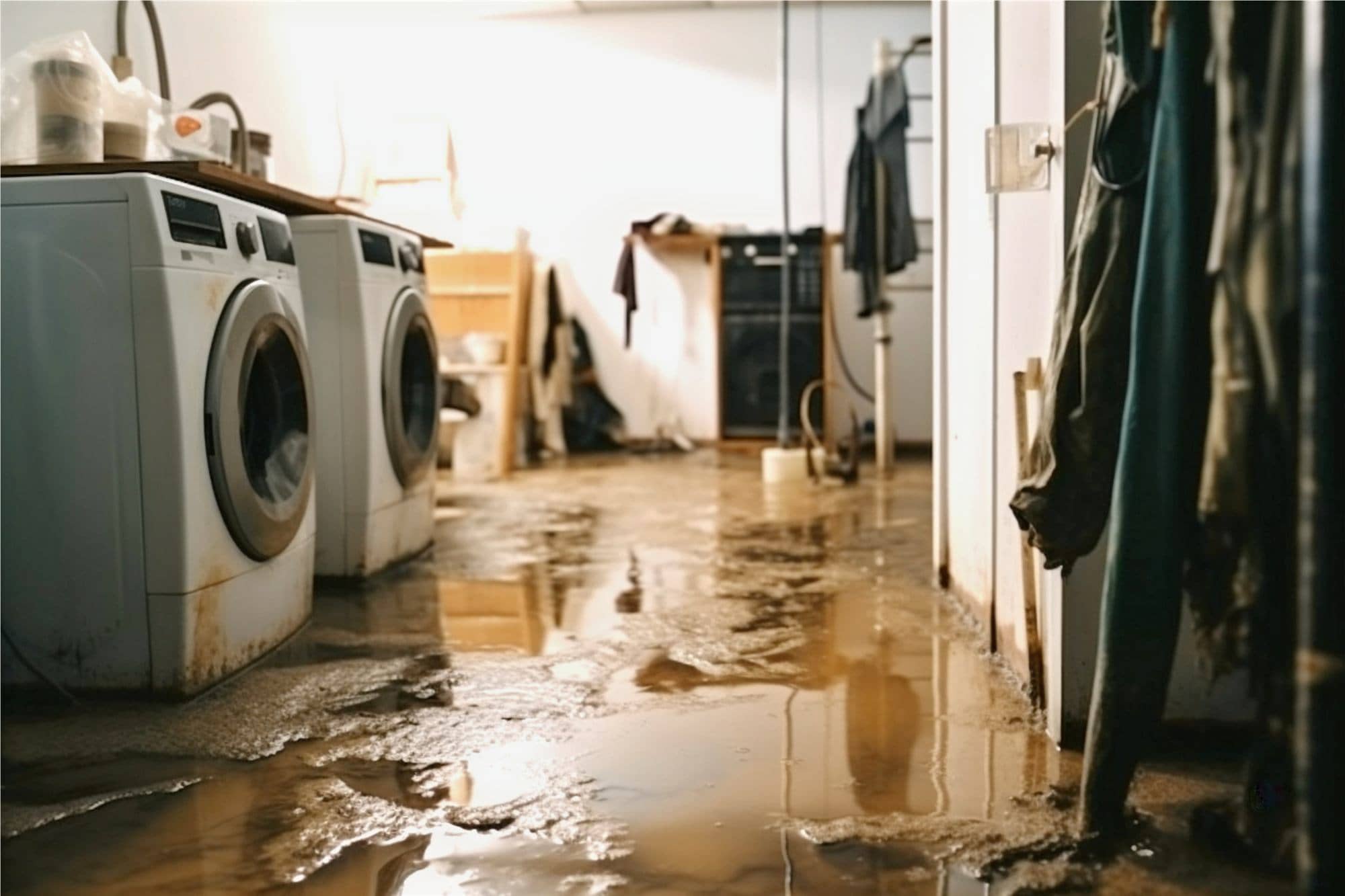
A failed water heater, washing machine hose, or icemaker line can release hundreds of gallons before you notice. These clean-water losses are highly salvageable when drying starts quickly — fast response is often the difference between drying your floors and replacing them.
Slab Leaks & Hidden Plumbing Leaks
Most Austin homes sit on slab foundations with the plumbing underneath. A warm spot on the floor, a rising water bill, or a musty odor with no visible source often points to a slab leak. We pinpoint the moisture behind the surface, then handle the drying and rebuild as one coordinated job.
Storm & Flood Cleanup
Austin sits in Flash Flood Alley, where creeks can rise several feet in minutes and wind-driven rain forces its way through roofs and windows. Floodwater is contaminated and time-critical — we remove what cannot be saved, dry and sanitize the structure, and rebuild what was damaged.
Sewage Backup Cleanup
Sewage is Category 3 water — grossly contaminated and a genuine health hazard. Cleanup requires containment, protective equipment, antimicrobial treatment, and removal of the porous materials it touched. We follow industry contamination protocols from the first step so your home ends up safe, not just dry.
Toilet, Tub & Ceiling Overflows
An overflow on an upper floor sends water through the subfloor into the ceilings and walls below — and it always travels farther than what you can see. We trace every wet cavity before it turns into a hidden mold problem.
Our 5-Step Water Damage Restoration Process
Every water loss follows the same proven sequence, and one CDG crew handles all five steps — no handoffs, no gaps, no second contractor to bring up to speed.
Emergency Call — 24/7
Call (737) 309-5075 any time. A crew member answers, helps you shut off the water source, and dispatches a truck with extraction and drying equipment. The first hours matter most — the faster the water comes out, the more of your home we can save.
Inspection & Moisture Mapping
Water travels farther than it looks. We map every affected area with moisture meters and thermal imaging, identify the water category, and photograph everything. That assessment sets the drying plan — and becomes the backbone of your insurance claim file.
Water Extraction & Removal
Powerful extractors pull standing water from floors, carpet, and padding. Materials that cannot be saved — soaked carpet pad, swollen particle board, contaminated drywall — are removed, documented, and photographed before drying begins.
Structural Drying & Daily Monitoring
Air movers and commercial dehumidifiers pull moisture out of walls, floors, and framing — essential in Austin's humid climate, where open windows will not dry a home. We take metered readings every day and only remove equipment when the structure reaches verified dry standard, not when surfaces feel dry.
Repairs & Full Rebuild
Once the structure is confirmed dry, the same crew rebuilds it — drywall, texture, paint, trim, cabinets, and flooring restored to pre-loss condition. Every job closes with a final walkthrough against the photos from day one.
The Three Categories of Water Damage — and Why They Matter
Professional water damage restoration follows an industry standard that classifies every loss into one of three categories. The category determines what can be dried in place, what must be removed, and how the crew protects your home and your family's health.
Category 1 — clean water. Water from a sanitary source such as a supply line, water heater, or overflowing tub. Most structural materials can be dried in place when work starts quickly, though carpet pad and swollen particle board typically need replacement.
Category 2 — gray water. Significantly contaminated water from dishwasher or washing machine overflows, sump pump failures, and similar sources. Porous materials that absorb gray water often have to come out.
Category 3 — black water. Sewage backups and rising floodwater. The standard requires removing every porous material it touches — carpet, pad, drywall, insulation. If an estimate calls for demolition after a sewage backup or flood, that is not an upsell; it is the safety baseline.
One more reason to act fast: clean water does not stay clean. The longer water sits in walls, floors, and cavities, the more contaminated the loss becomes — and the more expensive the fix.
Water Damage Risks Unique to Austin Homes
Central Texas combines several water damage risks most regions never see together — and knowing them helps explain why local experience matters when you choose a restoration company.
Hard freezes hit homes that were never built for them. During Winter Storm Uri in February 2021, Austin spent nearly a week below freezing, and burst pipes in uninsulated attics and exterior walls flooded thousands of Central Texas homes in a single week.
Flash flooding is the other constant: along the Balcones Escarpment, thin rocky soil sheds heavy rain straight into the creek system — Onion Creek once rose 11 feet in 15 minutes. Rising floodwater is excluded from standard homeowners insurance and requires a separate flood policy, which is worth confirming before you ever need it.
Under your feet, slab-on-grade foundations rest on expansive clay soil that swells and shrinks with the seasons, stressing under-slab plumbing until lines crack and leak — often invisibly, for months.
Finally, Austin's humid climate works against natural drying year-round. Evaporation that would take an afternoon in a dry climate can take days here — closing that gap takes mechanical extraction, air movement, and commercial dehumidification, which is exactly what we bring.
We Help With Your Water Damage Insurance Claim
Most Texas homeowners policies cover sudden and accidental water damage — a burst pipe, a failed appliance — but exclude gradual leaks and rising floodwater, which requires a separate flood policy. The Texas Department of Insurance also notes that the covered loss is the damage the water caused, not the pipe that failed.
Water damage claims are won or lost on documentation, and we build your file from the first visit: room-by-room photos, daily moisture readings, and a written record of every material removed and why. Your adjuster receives a complete, organized scope in the format adjusters expect — you are not spending a weekend reconstructing what was lost from memory.
We work with all major insurance carriers and walk you through each step of the claim process. Coverage decisions always rest with your carrier, so verify your specific policy terms — but a clean, detailed file from day one is the best way to make sure the claim reflects the real damage. Questions? Call (737) 309-5075 and we will explain what to expect.
Why Austin Homeowners Choose CDG Restoration & Construction
One team from start to finish. Most restoration companies dry your home, hand you a bill, and leave you to find a contractor for the rebuild. CDG does both — the crew that handles the mitigation is the crew that rebuilds, so nothing is lost in a handoff and your home comes back together weeks sooner.
Verified results, not guesswork. We dry to measurable industry standards, confirmed by calibrated moisture meters at the same marked locations every day — because carpet that feels dry can hide a wet wall cavity that becomes next month's mold problem.
Local and available. We are based in the Austin metro, we answer our own 24/7 emergency line, and we restore both homes and commercial properties — offices, retail spaces, and restaurants — phasing the work around business hours when needed.
Estimates are always free. We inspect the damage, put the scope in writing, and explain exactly what drives the cost before any work begins.
Water Damage Restoration FAQs
Straight answers to the questions Austin homeowners ask us most after a water loss.
How much does water damage restoration cost in Austin?
It depends on the size of the affected area, the water category, how long the water sat, and what has to be replaced. A small clean-water loss costs far less than a sewage backup that requires demolition. Estimates are free — call (737) 309-5075 and we will assess the damage, put the scope in writing, and explain what drives the cost.
How long does water damage restoration take?
Structural drying for a typical clean-water loss runs three to five days; losses that require demolition take longer. Drying is complete when moisture meters confirm materials are back to normal levels — not after a set number of days. Rebuild time then depends on how much needs to be replaced.
What should I do right after finding water damage?
Shut off the water source if you can do it safely, stay clear of standing water near outlets or appliances, and move valuables out of the wet area. Then call CDG at (737) 309-5075. Avoid pointing fans at wet walls — without dehumidification, that mostly spreads moisture around.
Does homeowners insurance cover water damage?
Texas policies generally cover sudden and accidental water damage, such as a burst pipe or a failed appliance. Gradual leaks and rising floodwater are typically excluded — flood coverage requires a separate policy. We document your loss thoroughly, but the coverage decision rests with your carrier, so verify your specific policy terms.
Can water-damaged walls and floors be saved?
Often, yes. In clean-water losses caught early, drywall, hardwood, and cabinets can usually be dried in place. Carpet pad, swollen particle board, and anything touched by sewage or floodwater must be replaced. The water category and your response time decide what is salvageable — one more reason to call quickly.
How do you know when my home is actually dry?
We take daily readings with calibrated moisture meters at marked locations and compare them against unaffected materials elsewhere in your home. When the wet materials match those reference readings, the structure has reached dry standard and the equipment comes out. We never rely on how a surface looks or feels.
What is the difference between water mitigation and water restoration?
Mitigation stops the damage — extraction, structural drying, and removal of unsalvageable materials. Restoration rebuilds what was lost — drywall, flooring, trim, and paint. Many companies do only one. CDG does both with the same crew, so nothing is lost between two companies and your home comes back together sooner.
Will water damage cause mold?
It can, and quickly. The EPA notes that mold generally will not grow if wet materials are dried within 24 to 48 hours — beyond that window, growth becomes likely. Fast, thorough drying is the single best way to keep a water problem from becoming a mold problem.
Do you clean up sewage backups?
Yes. Sewage is Category 3 water and requires containment, protective equipment, antimicrobial treatment, and removal of the porous materials it contacted — carpet, pad, and affected drywall. We follow industry contamination protocols from the first step, then rebuild the space once it is clean and dry.
Do you handle commercial water damage?
Yes. We restore offices, retail spaces, restaurants, and multi-tenant buildings across the Austin metro. Where possible we phase the work around your operating hours, and we provide the written scope, daily drying logs, and documentation that commercial insurance carriers require.
Standing Water Right Now? Get Help in Minutes
Every hour water sits, it soaks deeper into drywall, framing, and flooring — and the 24-to-48-hour window to prevent mold keeps closing. Do not wait until morning.
Call CDG Restoration & Construction at (737) 309-5075 for 24/7 emergency water damage restoration anywhere in the Austin metro, or request a free estimate online. One local team, from the first call to the final walkthrough.
Call Now